
Search Lebanon Property Records
Lebanon Property Records are easiest to search when you separate the city tax page from the Wilson County record systems that keep the deed, parcel, and assessment trail. If you need to look up a city tax account, confirm how a parcel is carried by the county, or obtain a recorded instrument tied to a Lebanon address, the search works best when each office is used for the part of the file it actually controls. This guide gathers the main Lebanon Property Records paths together so the search stays local, stays tied to Wilson County and Lebanon, and stays focused on the record you are trying to obtain.
Lebanon Property Records Facts
Lebanon Property Records Search
The city-facing source for Lebanon Property Records is the property-tax page at lebanontn.gov/153/Property-Tax. The research says the city tax rate is set by City Council, assessment is done by the Wilson County Assessor, taxes are due annually, and payment options include online, mail, and in-person methods. It also says tax relief is available for qualifying residents. Those details matter because many Lebanon searches begin with a bill or due-date question before they move into the county parcel record or deed trail.
Lebanon Property Records therefore have a clear city and county split. The city page explains the tax side. The county assessor and register explain the parcel and recording side. If the issue is a city bill, start with the Lebanon tax page. If the issue is a parcel or deed, move to the Wilson County systems after you know which office actually holds the file. That is the fastest way to keep a Lebanon property search from turning into a generic records search that does not match the real record type.
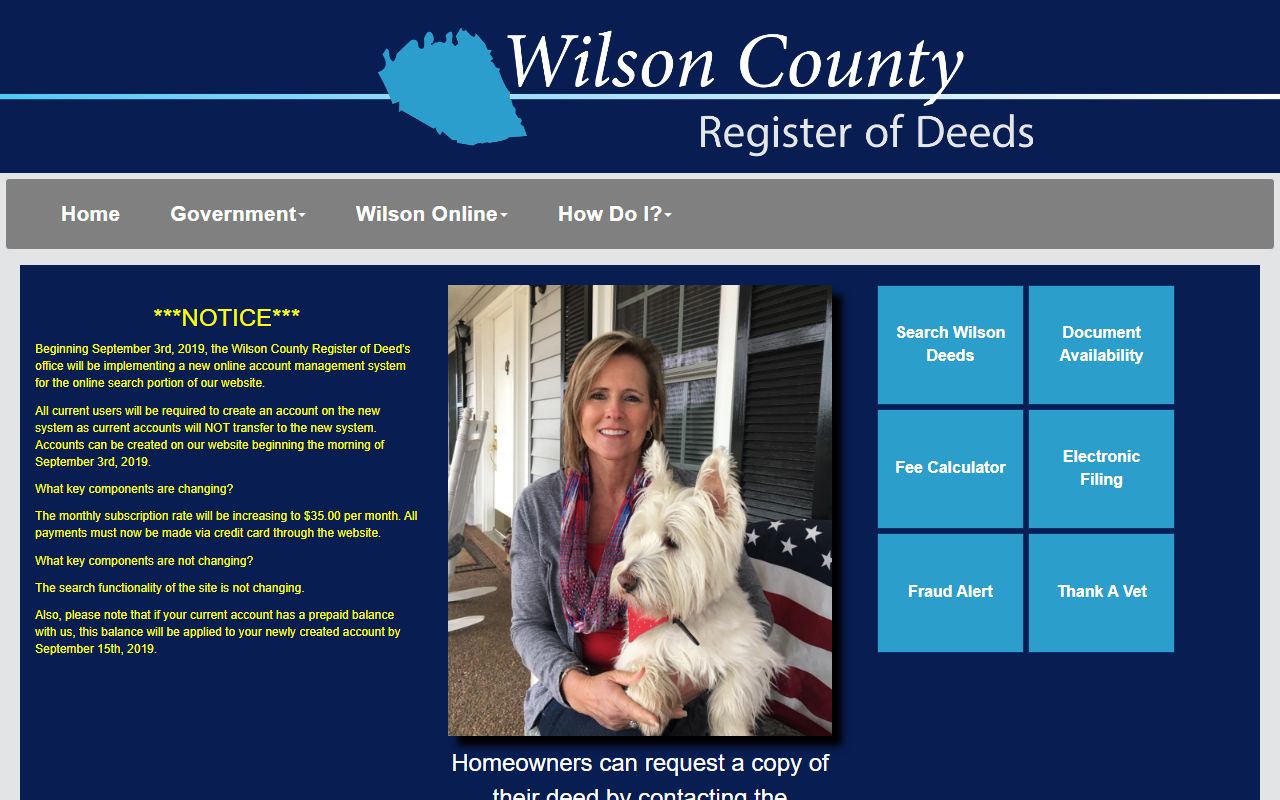
The register image fits here because Lebanon Property Records depend on the Wilson County deed trail as soon as the search moves beyond the city tax page.
Lebanon Property Records And Taxes
The tax side is important because Lebanon Property Records often begin with a current tax account. The city tax page makes the property tax structure explicit: City Council sets the rate, the county assessor handles assessment, and residents can pay online, by mail, or in person. That means a Lebanon search usually needs two steps. First, understand the city tax page. Then tie the account back to the county parcel record so the tax figure makes sense in context.
The city page also notes that tax relief is available for qualifying residents. That is useful because a tax question is not always just about the amount due. It may also involve whether a taxpayer qualifies for a relief program or other account adjustment. Lebanon Property Records users should treat the city tax page as the front door to the account and the county record as the file that explains the parcel behind it.
Tennessee’s property tax relief and property tax programs pages are useful once the county parcel is identified and the question turns into relief or program support.
Lebanon Property Records And Deeds
The deed side of Lebanon Property Records belongs with the Wilson County register. The research says records are available from 1974 forward, which gives users a clear starting point for online or office-based deed research. The city page does not hold the recorded instrument itself. It only points you to the tax side of the property file. To obtain the deed, release, plat, or other recorded land document, the Wilson County register is the office that should anchor the search.
The Wilson County courthouse page at wilsoncountytn.gov/208/Wilson-County-Courthouse helps explain the wider county structure. It identifies Stephen Goodall as assessor, says property records are searchable, and notes that GIS mapping and assessment appeals are available. That matters because Lebanon Property Records searches often have to move from the city tax page into the county parcel and assessment file before the deed trail becomes easy to follow.
Tennessee’s real property transfer tax guidance remains a useful state reference when a recorded transfer includes supporting tax paperwork. It does not replace the county register, but it helps explain the forms that can sit next to a recorded Lebanon property filing.
Wilson County Property Records
Lebanon Property Records depend on Wilson County for the parcel, deed, and assessment side of the file. The courthouse page says property records are searchable and GIS mapping is available, which makes the county side the right next step after the city tax page. If you begin with a name, address, or tax account, the county system is what lets you confirm how the parcel is carried, how it is mapped, and where the deed or related instrument should be found.
The county office structure also matters. The courthouse page places the assessor, county clerk, mayor’s office, and register in the same broader county setting. That helps show that Lebanon Property Records are not handled by a stand-alone city property system. Instead, the city tax page and the county record system work together. If the issue is location, parcel identity, or appeal support, the county side is where that question should go once the city tax page has done its job.
For map support and parcel review, the county GIS and the assessor side remain the cleanest local tools. That is important because the county record often explains more than the city tax page can show on its own. A city bill may tell you what is due. The county file tells you why.
Lebanon Property Records Appeals
When a value issue develops, the appeal side of Lebanon Property Records shifts from the city tax page into county and state review. The county courthouse page says assessment appeals are available, which is a useful local signal that the county side is where valuation questions belong. Tennessee’s State Board of Equalization and the value appeals guide explain the broader review process after local county action. Those pages matter when the dispute is about assessed value rather than about the city tax page itself.
Lebanon Property Records users should keep the bill, parcel detail, and any notice together before moving into appeal review. That makes it easier to see whether the issue belongs with the city tax page, the county assessor, or the county register. If the problem is payment timing, stay with the tax page. If the problem is parcel identity or assessed value, the county side should be the next stop.
More County Pages
If you need another county after reviewing Lebanon Property Records, use the live county pages below. Each page follows the same structure but stays tied to its own local offices and record trail.