
Find Giles County Property Records
Giles County Property Records are easiest to sort when you start with the record you need, not just a name or a street. In Giles County, a search may begin with the assessor, move to recorded deeds, or shift to tax and appeal files. The county has a long local record trail, so a parcel search can show one answer while a deed or trustee file shows another. This page brings those paths together so you can search Giles County Property Records with less guesswork and a cleaner route to the right office.
Giles County Property Records Facts
Giles County Property Records Search
The Giles County CTAS profile gives the local snapshot behind this page. It shows that Giles County originated in 1809, now carries 18,421 parcels, and had a 2020 population of 30,346. Those facts matter because they tell you the size of the record set and the offices that keep it moving. When you start a Giles County Property Records search, the assessor and register are the first names to keep in view.
The same county profile lists Tommy Hyatt as assessor, Tammy Helton as register of deeds, Graham Stowe as county executive, and Tony Risner as trustee. Their contact details are a practical part of the search path: 931-363-2166 for the assessor, 931-363-5137 for the register, 931-363-5300 for the county executive, and 931-363-1676 for the trustee. If you already have a parcel number, owner name, or street address, those offices help you turn a rough lead into a usable property record.
The Giles County CTAS county information page at the county information source anchors the local image below.
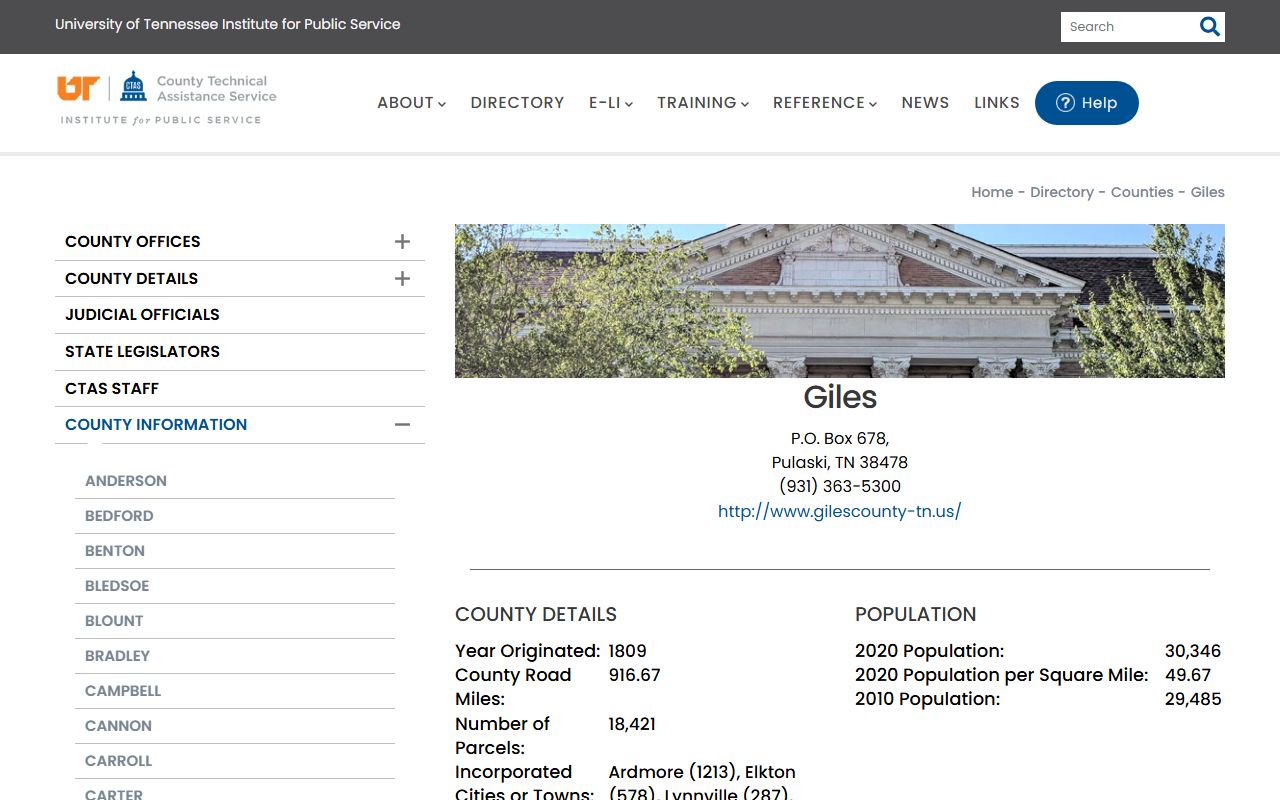
That county profile is useful because it ties the local property records system to named offices instead of leaving you with a blank search box and no next step.
Giles County Property Records and TPAD
Giles County Property Records can also move through the Tennessee Property Assessment Data portal. The statewide TPAD search supports address, owner, and parcel ID searches, and it can display property record cards with summary information, land and improvements, measurements, classification, and ownership records. That makes TPAD a strong first check when you want parcel facts before you call the office or order a copy.
The Tennessee Comptroller's property assessments page explains the county assessment framework that feeds TPAD. Tennessee uses IMPACT CAMA for 86 counties, and Giles is part of that statewide system. If a Giles County Property Records search feels thin, TPAD is often the fastest way to confirm whether the parcel is in the state database, what the current owner line says, and whether the card includes a sketch or photo.
The statewide property assessments source sits alongside TPAD and shows the policy layer behind the parcel data.
The Tennessee Comptroller's property assessments source anchors the statewide image below.

Use both sources together when you want the parcel card and the assessment rules to line up.
Tennessee also requires assessors to send change notices at least 10 calendar days before the local board of equalization begins its annual session. In a Giles County Property Records search, that timing matters because a notice date can affect both your review and your appeal window.
Giles County Deed Records
Recorded land documents are the next step in many Giles County Property Records searches. The county register of deeds is Tammy Helton, and the CTAS directory is the best statewide reference for confirming recording contacts. That office is where deeds, mortgages, plats, and other land instruments belong once a transfer has to be preserved in the public record.
The CTAS register directory helps because deed work is not only about ownership. It also ties into recording rules and copy fees across Tennessee. The state transfer tax is $0.37 per $100 of consideration or value, so a Giles County deed search often needs the deed itself, the consideration statement, and the tax side all at once. If you are checking a sale, refinance, or transfer between owners, the recorded document usually tells you more than the tax bill alone.
The CTAS register directory anchors the image below and keeps the county contact path in one place.
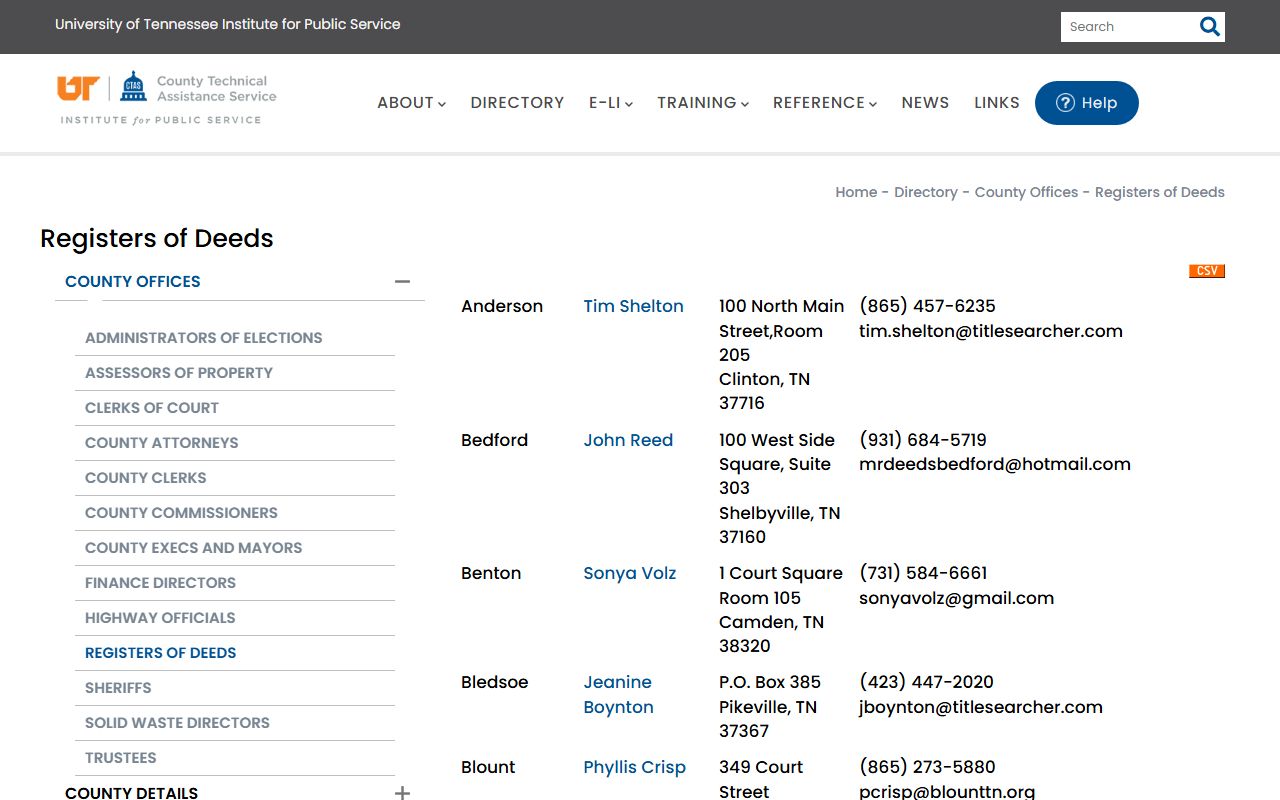
That directory matters because it gives a clean statewide contact point when the deed trail and the assessor file do not match at first glance.
In Giles County Property Records work, the deed is often the document that settles the who and when behind a parcel. It shows the transfer path, and it can confirm whether a later tax question starts with a sale, a gift, or a recorded correction.
Giles County Property Taxes
Giles County Property Records do not stop at ownership. Trustee records tell you how the tax side is handled, and Tony Risner is the county trustee listed in the CTAS county profile. That office is where tax questions, payment status, and relief programs come together. If you are comparing a parcel card to a bill, the trustee record is where the money side of the file should line up with the assessed value.
Tennessee offers property tax relief for qualifying homeowners and a property tax freeze program for certain seniors. The property tax relief page and the tax programs page explain those options. The freeze program does not change the property's value, but it can lock the tax amount for a qualifying home. That is useful context when a Giles County Property Records search leads to a bill that seems higher or lower than expected.
The tax programs page gives the county trustee side its statewide frame and anchors the image below.
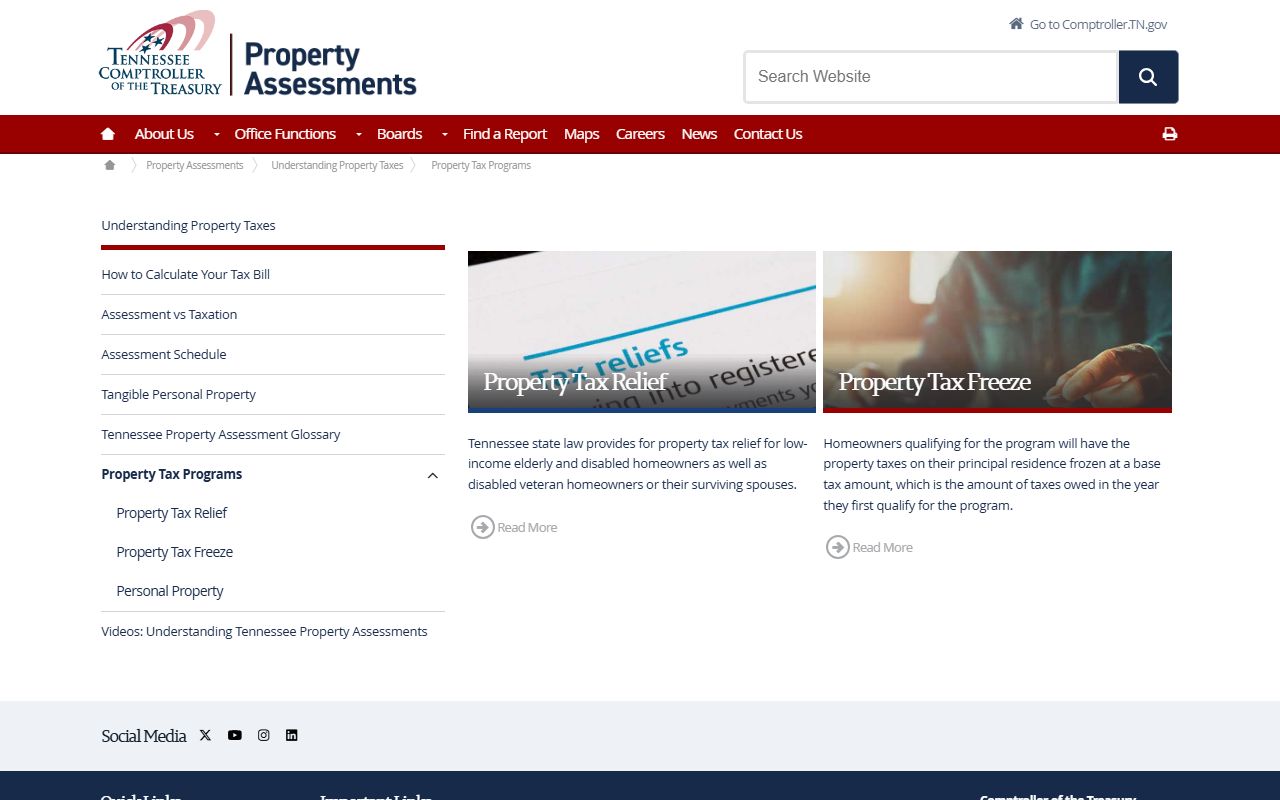
Use that guidance when a tax question is really about relief, not ownership.
Note: Tax relief and tax freeze can change the bill, but they do not change the parcel record itself.
Giles County Property Records Appeals
If a value looks wrong, Giles County Property Records can support an appeal, but the appeal path still follows the state structure. The Tennessee State Board of Equalization says appeals go first to the county board, then to the state board. The deadline is August 1 of the tax year, or 45 days after the date the local board notice was sent, whichever is later. That is why the notice date is so important.
The appeal file is stronger when the parcel card, deed trail, and notice all point to the same piece of land. Tennessee also says assessors must send change notices at least 10 calendar days before the local board begins its annual session. If your Giles County Property Records search shows a recent change, that notice should be the first thing you check before you decide whether to appeal.
The State Board of Equalization page anchors the image below and gives the statewide rule set in one place.
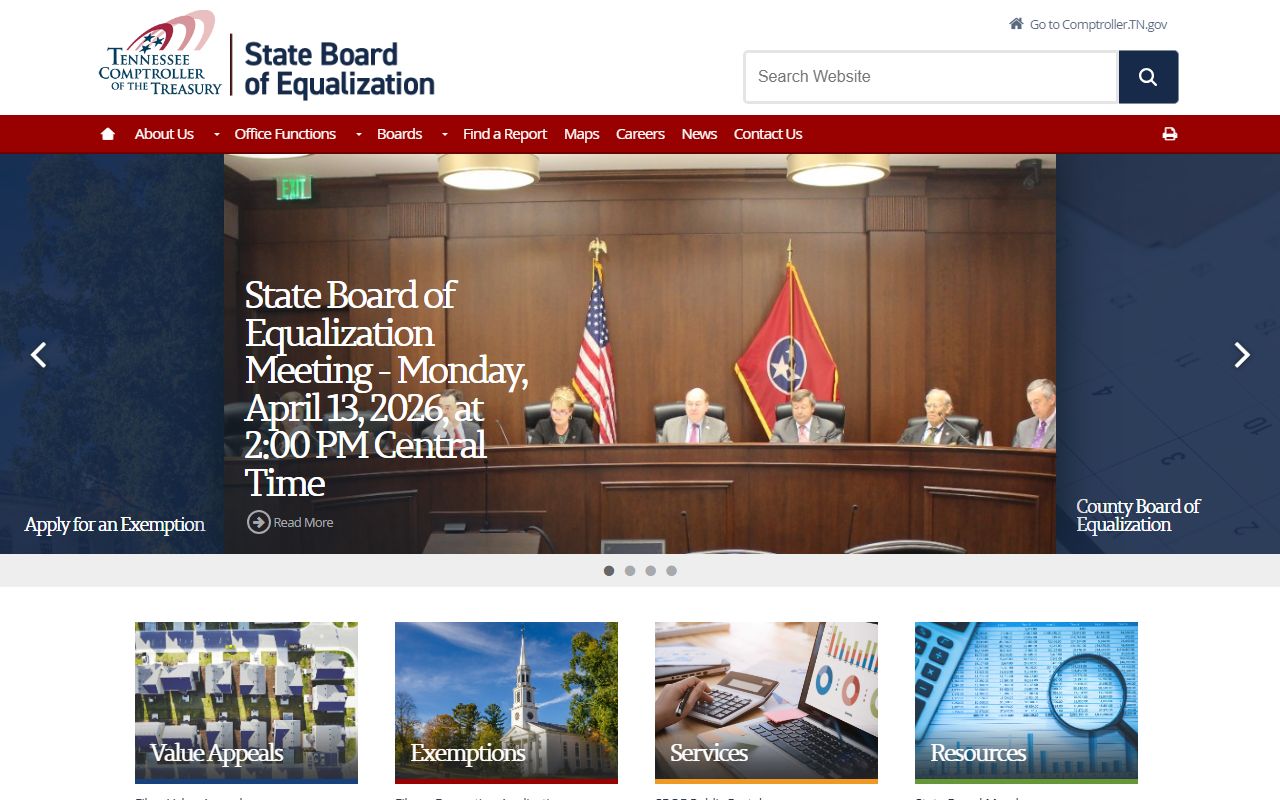
That appeal path is easier to follow when you keep the parcel number, the notice, and the tax year together.
Note: A value appeal is not the same as a tax payment problem, so make sure the record issue is really about assessment before you file.
Giles County Property Records History
Some Giles County Property Records questions are historical. Giles County started in 1809, so older land chains can run far past a modern parcel card. When the county file stops short, the Tennessee State Library and Archives can help with grants, surveys, and other older land materials. That is often the next step when you need to trace how a tract moved before the current assessment system existed.
The Tennessee State Library and Archives is especially useful when you need to work backward from a deed into a larger land history. It is not a substitute for the county record book, but it can fill gaps when a Giles County Property Records search reaches the edge of the local index. The archives are also where many county researchers go when they need to confirm an older ownership chain or a land grant reference.
The TSLA page anchors the image below and is the safest place to start when the local trail goes cold.

Use it when the question is less about today's parcel and more about how the land got here.
That matters in Giles County because older land history can shape how a current deed, boundary line, or ownership chain reads today.
Giles County Property Records Requests
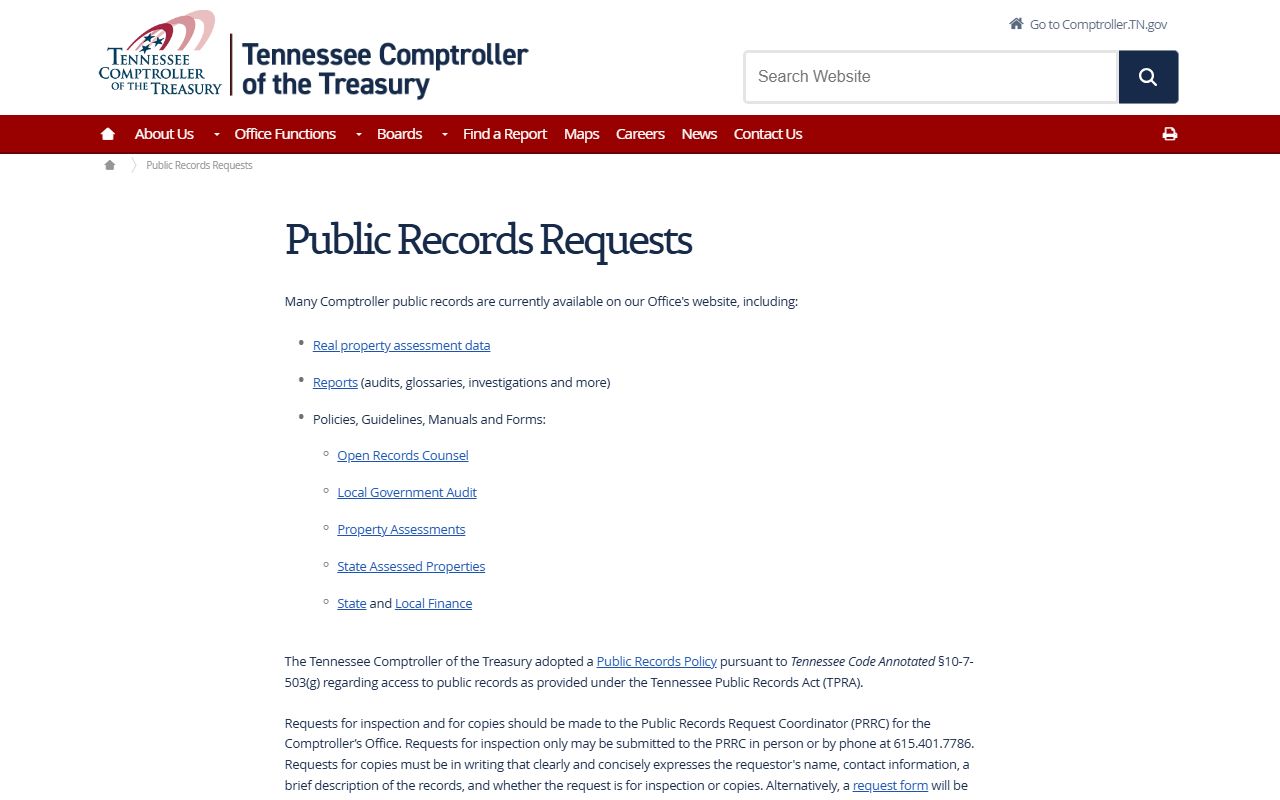
Most Giles County Property Records are available through the county offices or TPAD, but some state-held assessment material still moves through the Comptroller's public records process. The Tennessee public records requests page routes those requests through the Public Records Request Coordinator, Madeline King, and it lists 615.401.7786, recordrequests@cot.tn.gov, and the Cordell Hull Building mailing address in Nashville.
That page is useful when you need manuals, policies, or related assessment material that is not already posted. If your Giles County Property Records search stalls because a state document is missing, the public records process is the cleanest way to ask for it. It is also the place to look when you want the official rules for getting assessment material rather than a third-party summary.
The public records requests page anchors the image below and is the right backstop when the county office has done its part and the state file still needs a formal ask.
That route helps when you need a document the web search did not surface.
Note: Start with the assessor or register first, then use a formal request only when the record is not already posted or easy to copy.
More County Pages
If you are comparing Giles County Property Records with another Tennessee county, these pages use the same site structure while keeping the local office details separate. That makes it easier to see how each county handles assessment, recording, and tax records.