
Find DeKalb County Property Records
DeKalb County Property Records start with the assessor, then move to deed records, tax files, and older county papers when the trail gets thin. Smithville keeps the main local offices close together, which makes a parcel search easier once you know the address, owner name, or parcel ID. The assessor site is the best first stop for current ownership, appraised value, and deadline dates, while the register side helps with deeds, plats, and older filings. This page pulls those sources into one place so you can search DeKalb County Property Records without guessing which office controls the record you need.
DeKalb County Property Records Facts
DeKalb County Property Records Search
The official assessor site is the core search route for DeKalb County Property Records. It says property is assessed to the person whose name is on the deed as of January 1, which matters when a recent sale has not yet settled into the county file. The office is at 732 S. Congress Blvd., Room 104, Smithville, TN 37166, phone 615-597-5925, and hours Monday through Friday, 8:00 a.m. to 4:30 p.m. That same office says assessment change notices are mailed on May 20, and the personal property deadline is March 1.
DeKalb County also has TPAD access, so users can search by address, owner name, or parcel ID through the state portal at Tennessee Property Assessment Data. TPAD is useful when you want a clean parcel snapshot before you call the county or ask for a copy. It can help you confirm the parcel card, compare ownership, and check whether the county file matches the name you expected to find.
For current parcel work, start with the assessor, then cross-check the parcel in TPAD if you need a second view. That order keeps DeKalb County Property Records searches focused on the right owner, the right tax year, and the right local office.
See the official DeKalb County Property Assessor page for the local office view, then compare it with the parcel details you already have.
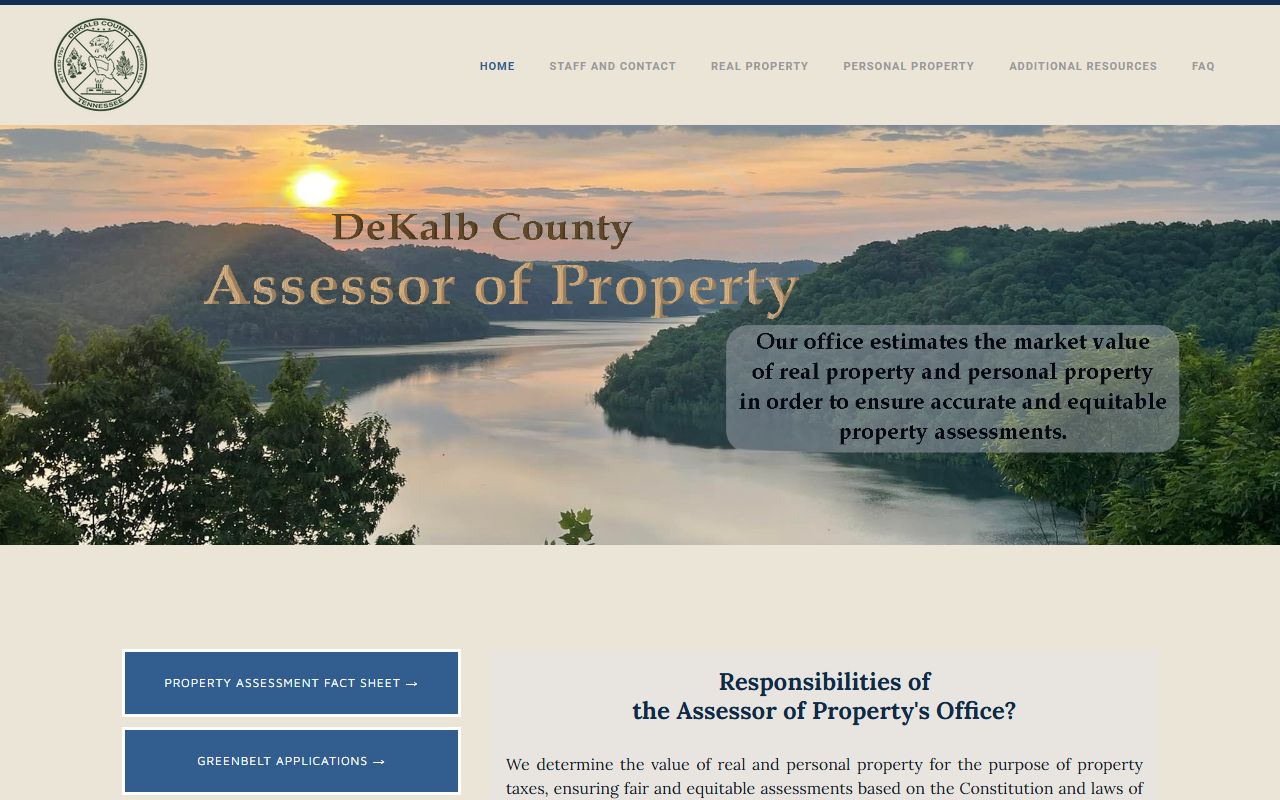
That office page is the cleanest first step when DeKalb County Property Records need a current assessment, owner check, or office contact.
Note: A parcel search and a deed search can point to different files, so keep the address, parcel ID, and owner name together when you start.
DeKalb County Assessor Records
DeKalb County Property Records depend on the assessor because that office appraises land and buildings for tax purposes. The official site says property is assessed to the person whose name appears on the deed as of January 1, so ownership timing matters. If a deed recorded after that date does not match the current tax card, the parcel may still need a manual review before anyone assumes the record is wrong.
The local assessment calendar also has several fixed points. Business personal property forms are due March 1. Greenbelt applications are due March 15 for acreage that qualifies. Assessment change notices are mailed on May 20 to owners with a value change. The Board of Equalization begins meeting June 1. An amended schedule deadline falls on September 1 for the prior tax year. Those dates make the assessor page more than a contact listing because they shape how DeKalb County Property Records are updated through the year.
The state assessment system supports that work. The Comptroller's property assessments page explains how Tennessee counties use assessment rules, field support, and parcel stewardship. The image below uses that official page as its source and shows the statewide assessment framework that sits behind the local DeKalb County file.

That statewide page helps when you need the bigger Tennessee rule set behind DeKalb County Property Records, but the local assessor still controls the county record.
The assessor office at 732 S. Congress Blvd., Room 104 is the right desk for value questions, land use questions, and appraisal timing. If you need to talk through a parcel issue, the phone number on the official site is 615-597-5925.
DeKalb County Deed Records
DeKalb County Property Records do not stop at the parcel card. The register of deeds office, listed in the research notes at 732 S. Congress Blvd., Room 101, Smithville, TN 37166, phone 615-597-4153, is where recorded ownership papers, plats, mortgages, liens, and related filings are kept. The notes also say historical records reach back to the 1800s, military discharges are recorded and maintained, and subdivision plats are on file. Those details matter because a deed trail is often the only way to see how a tract was split, merged, or transferred before the current tax year.
The register contact in the research is drawn from a directory source, so it is best used as a cautious contact check rather than a substitute for the office itself. Even so, it is useful when you need to confirm where to ask for a copy, a plat, or an old filing. DeKalb County Property Records searches often move from the assessor to the deed trail as soon as the ownership question becomes legal rather than tax related.
If you are recording a deed, Tennessee transfer-tax rules still apply. The Department of Revenue says the real property transfer tax is $0.37 per $100 of consideration or value, and the deed must include an affidavit of consideration to be recordable. That rule is statewide, but it affects local recording every time a transfer lands in the DeKalb County book.
Read the state real property transfer tax page before you record a deed if you need the tax math and affidavit rule in one place.
Note: Historical records back to the 1800s can help when a modern deed trail leaves a gap between the current owner and the older chain.
DeKalb County Property Taxes
Property tax questions sit close to DeKalb County Property Records because relief, freeze status, and ownership records do not always change at the same time. Tennessee's property tax programs can help eligible homeowners keep the tax burden down, especially when the parcel is a primary residence and the problem is the bill rather than the deed. The Comptroller's program page explains that the freeze holds the tax amount, not the property value or the assessment itself.
The same state program also covers relief for qualifying elderly or disabled homeowners and for certain disabled veterans or surviving spouses. That matters in DeKalb County because a parcel can be correct on paper and still carry the wrong tax outcome if the program status is not current. If the issue is payment or relief, it is worth checking the program side before you assume the county appraisal is the real problem.
The state property tax freeze page at the Tennessee property tax programs page explains the official program rules and the broader tax-program options. It is useful when DeKalb County Property Records need a tax answer rather than a deed answer.
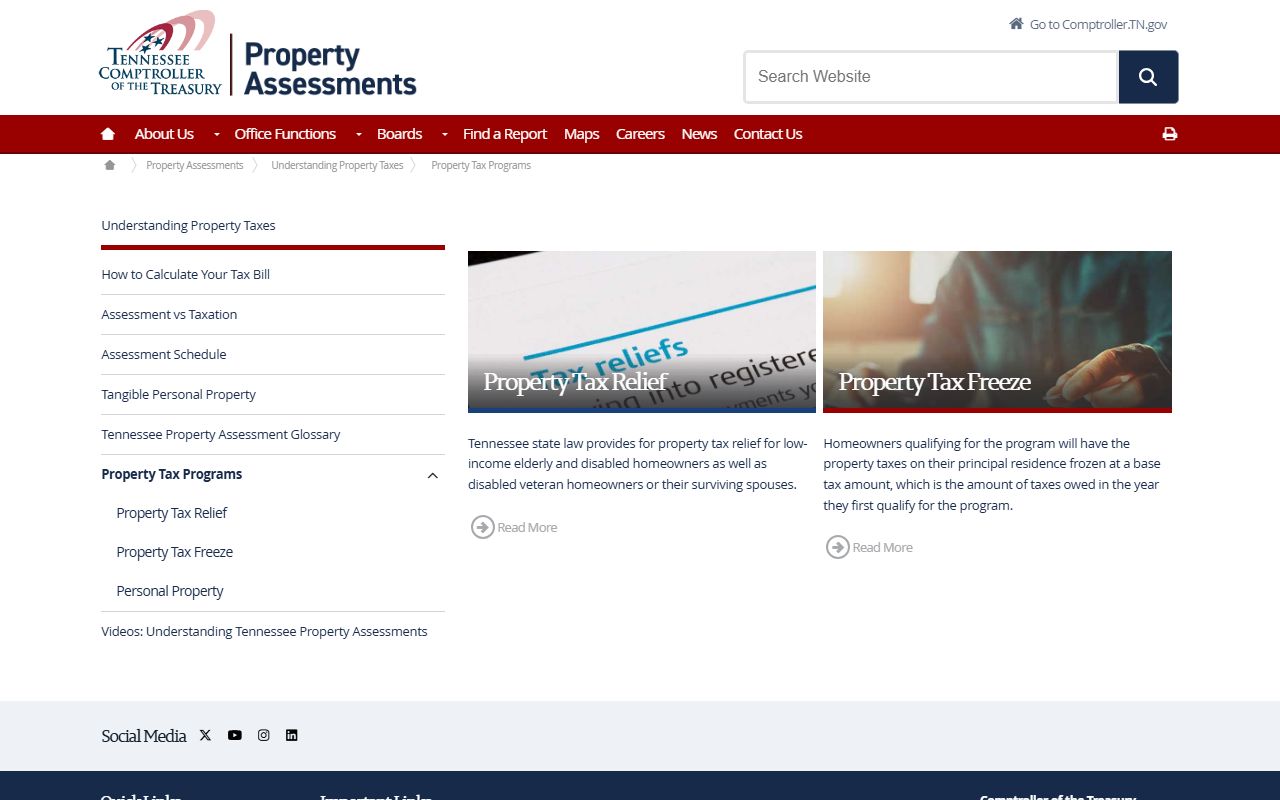
That page is a practical next stop when the tax bill, not the title record, is what you need to sort out.
Note: A relief application, a freeze status, and a recorded deed answer different questions, so it helps to keep them separate while you work.
DeKalb County Property Records Appeals
Assessment appeals are another part of DeKalb County Property Records. The local assessor says the Board of Equalization begins meeting June 1, and Tennessee law requires assessors to send change notices at least 10 calendar days before the local board begins its annual session. That timing matters because the notice date can shape how much time you have to review the parcel and decide whether to appeal.
If the problem is value, classification, land size, or an improvement detail, the appeal should start with the local record. Keep the notice, the parcel ID, and the tax year together. If the local board does not fix the issue, the state Board of Equalization page explains the next step and the deadline. The state rule says appeals must be filed on or before August 1 of the tax year, or within 45 days after the local board action notice was sent, whichever is later.
The state Board of Equalization page at the Tennessee Board of Equalization page governs the appeal ladder. It is the right place to confirm the filing window once the county review is done.
That state page is the best check when a DeKalb County Property Records dispute needs a formal appeal timeline, not just a phone call.
Keep the mailing envelope with the notice if you still have it. The date on that paper can matter more than the date you first opened the letter.
DeKalb County Historical Property Records
Older DeKalb County Property Records are useful when the modern parcel page only tells part of the story. The research notes say historical records are available back to the 1800s, which gives you a real path for long ownership chains, old plats, and land that changed hands before a digital index existed. Military discharges are also maintained, and subdivision plats are on file, so the records room can answer more than simple sale-history questions.
When the county trail ends, the Tennessee State Library and Archives can help with older land research. The archives hold original warrants, surveys, grants, and other historical land materials that can fill gaps left by modern county indexing. That makes the archives a good second stop when DeKalb County Property Records turn into a title-history problem rather than a current ownership question.
Use the Tennessee State Library and Archives when the county record set is too short for the land you are tracing.
Note: A county index that starts in the 1800s is enough to solve many chain-of-title questions, but not every older tract will be complete in one place.
DeKalb County Property Records Access
When a request reaches beyond the county office, the Comptroller's public records requests page explains how to ask for state-held assessment materials, manuals, and related files. That route is useful if you need policy support, a record-card reference, or a document that is not already posted online. DeKalb County Property Records searches usually stay local, but the state process is there when the paper trail crosses offices.
The Comptroller public records requests page at the Tennessee public records requests page makes the access path easy to find again. It is especially useful when the question is about assessment support records rather than a deed or parcel copy.
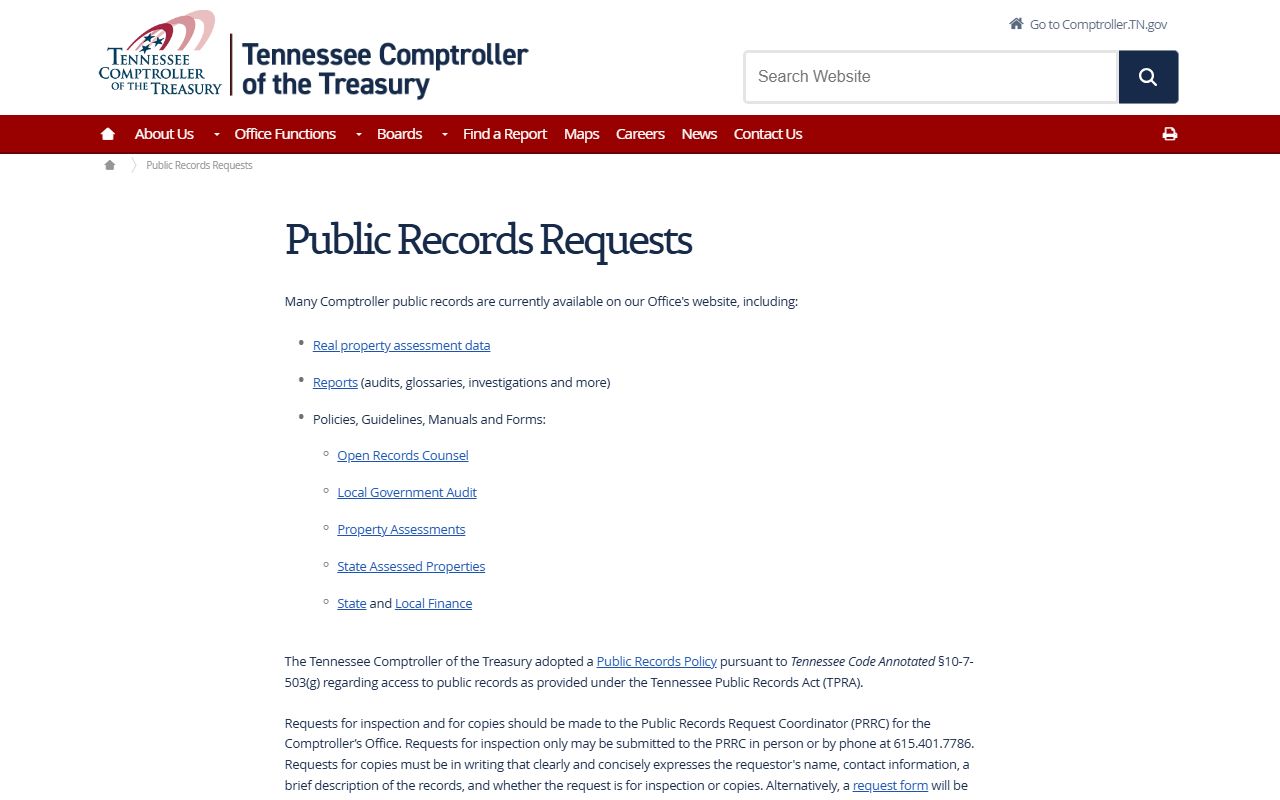
That page does not replace the county file, but it gives DeKalb County Property Records users a clear way to ask for state materials when the local record is not enough.
If your search starts with a phone call, keep the parcel ID and the mailing date in front of you. Clear facts save time on both the county and state side.
Nearby County Property Records
Border parcels can blur fast in this part of Tennessee. If your land sits near another county line, confirm the jurisdiction before you trust a deed chain or tax bill. That is especially true when a road name appears in more than one county or when a parcel split is still fresh in the county file.
Use the county page that matches the parcel before you trust the assessment file or the deed trail.