
Search Sequatchie County Property Records
Sequatchie County Property Records are centered in Dunlap, the county seat, where the Assessor of Property keeps the parcel file, map record, and ownership updates that tie land, buildings, and taxpayer information together. If you are trying to match an address to a parcel, check a greenbelt file, review a value notice, or follow a deed trail from the Register of Deeds into the assessment record, the county assessor is the main local starting point. This guide brings the official Sequatchie County Property Records resources together so the search stays tied to local office guidance and the state support pages that explain the process.
Sequatchie County Property Records Facts
Sequatchie County Property Records Search
The strongest local source for Sequatchie County Property Records is the assessor’s official site at seqassessor.com/assessors-role/. That page identifies James Condra as the Assessor of Property for Sequatchie County and explains the office’s basic role in discovering, listing, and valuing property in the county. It also places the office in Dunlap at 22 Cherry St. E., which matters because property research is easier when the search stays anchored to the office that actually maintains the parcel record.
The assessor’s staff page at seqassessor.com/staff/ adds the practical details that many generic search guides miss. Glenda Gray handles GIS mapping, Sandy Jones handles personal property, and Sean Booth handles real property. That kind of office structure is useful because Sequatchie County Property Records are not one single file. Parcel mapping, personal property, and real property work each follow a different trail, even when they all begin with the same county office.
The local site also organizes help into specific sections for Forms, Informal Review, Formal Appeal, Reappraisal, and public records guidance. That structure is a good sign that the office expects users to approach Sequatchie County Property Records by purpose, not by guessing which form or contact will solve the problem on the first try. If you know whether you need ownership, mapping, review, or an appeal, you will usually reach the right file faster.
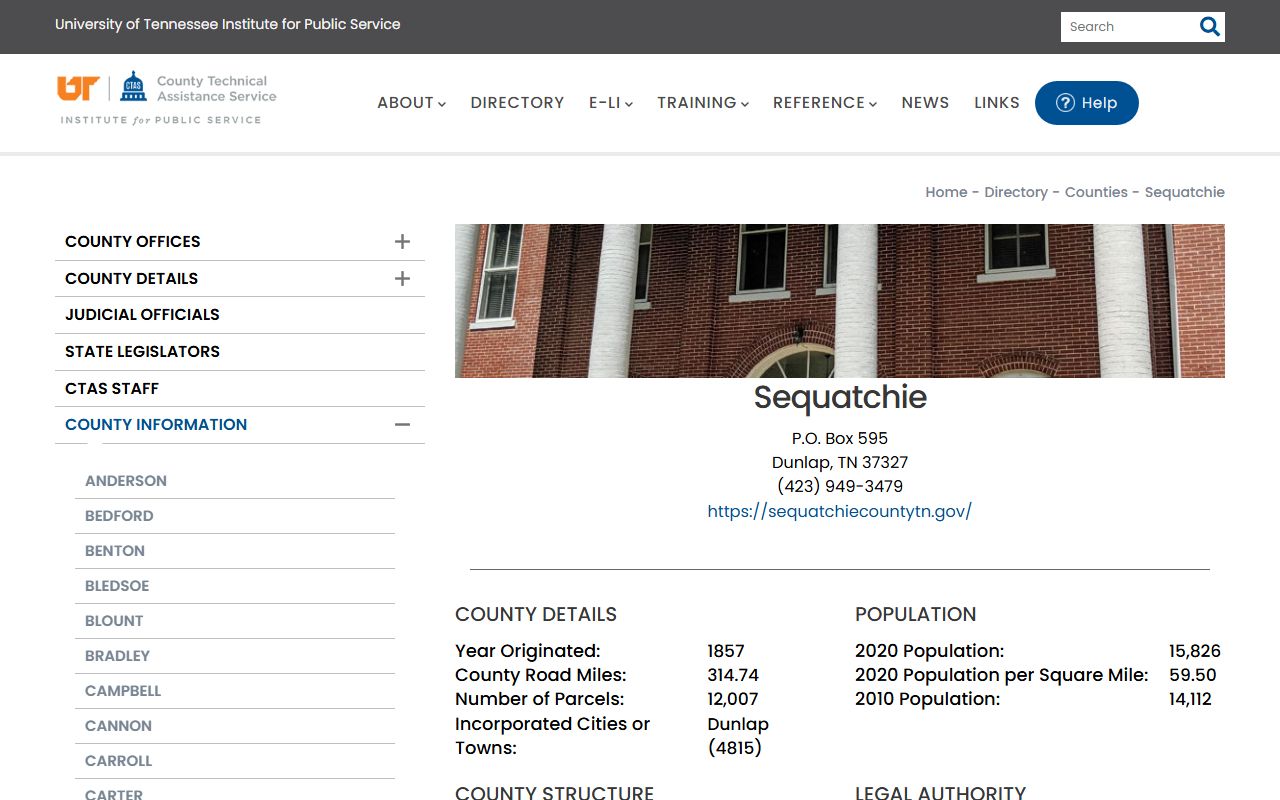
The Sequatchie County image belongs here because the assessor’s office is the local source that keeps parcel information current, ties the map to the record, and updates ownership when deed activity changes the file.
Sequatchie County Property Records and Parcel Mapping
Parcel mapping is one of the most useful parts of Sequatchie County Property Records because it shows how the county treats each piece of land as a living record that changes over time. The assessor’s staff page says the office develops and maintains records for each parcel, updates ownership from Register of Deeds records, maintains parcel maps, conducts annual reviews, and keeps greenbelt and exempt-property records current. That is the core of the county property file. If a parcel changed hands, changed shape, or changed use, the assessor’s office is where those changes should surface in the record.
The county’s GIS function is especially important in a county like Sequatchie, where the map is often the fastest way to confirm that a legal description, a parcel number, and a physical location all refer to the same property. The state’s Tennessee Property Viewer can help you line up a parcel with the county map before you call the office, while the Comptroller’s Division of Property Assessments explains the broader support system behind county appraisal work. If you need a process overview, the state assessment schedule is a good companion page for understanding how county assessment work fits into the annual calendar.
Sequatchie County also treats reappraisal as part of the property record itself, not as a separate afterthought. The local reappraisal page explains that real property is reappraised every six years, and that the goal is to keep values aligned with the market instead of leaving the record stuck at an older number. The practical takeaway is simple. If your parcel value looks off, the issue may be a map problem, a feature problem, a change in use, or a timing problem. A good property record search checks all of those possibilities before it assumes the county file is wrong.
Sequatchie County Property Records, Ownership, and Deeds
Ownership changes are the bridge between the recorder side of the county file and the assessor side of the county file. Sequatchie County Property Records are updated when the assessor receives new ownership information from the Register of Deeds records, so a deed search and a parcel search usually need to be compared together. If you are trying to see how a property moved from one owner to the next, the recorded transfer is the document trail, while the assessor record is the place where that change should appear in the parcel file.
That relationship is why the county and state sources should be used together. The Department of Revenue’s real property transfer tax page helps explain the transfer paperwork that often travels with a deed filing, and it is useful when you want to understand why a recorded transaction looks the way it does. It does not replace the county file, but it helps you read the record more accurately when the transfer includes tax-related paperwork or supporting documents that affect the recorded packet.
The local forms page is also important for ownership-related corrections because it includes address changes, review requests, greenbelt applications, a blank tangible personal property schedule, and public records request guidance. That means the assessor’s office expects users to keep the file accurate, not just to look it up. If the mailing address is wrong, the parcel should be corrected. If the property use has shifted, the file should be reviewed. If the property qualifies for a different status, the greenbelt or exempt record should be checked so the assessment record matches the actual use of the land.
Dunlap Office Access
Dunlap is the practical center of Sequatchie County Property Records because that is where the assessor’s office works from the county seat and where the staff can match map questions, appraisal questions, and ownership questions against the active file. The office information page lists the address as 22 Cherry St. E., Dunlap, TN 37327, with phone number (423) 949-3534 and fax number (423) 949-5004. Office hours are Monday through Thursday from 7:30 a.m. to 4:30 p.m., and Friday from 7:30 a.m. to 11:30 a.m., with weekends closed. That matters when a search needs a live staff contact rather than a web form.
The local site is especially helpful because it separates service paths into pages for Informal Review, Formal Appeal, and Public Records Request. The public records guidance is worth noting because the assessor’s forms page says public records requests should go through the Sequatchie County Executive’s office. That is a useful boundary. The assessor’s office maintains the property file, but the county’s public records process still needs to follow the county’s records request route when you want copies or inspection of county-held material.
If the record you need is held by the state rather than the county, the Comptroller’s public records requests page is the right route. That distinction matters because Sequatchie County Property Records and state support records are not filed in the same office, and a request goes faster when it is directed to the office that actually controls the document.
If you are using the office for the first time, it helps to bring the parcel number, owner name, or address, plus any recent deed reference, tax notice, or map detail you already have. Sequatchie County Property Records are easier to verify when the county staff can see the exact parcel you mean. A narrow request usually produces a better result than a broad one because it lets the office check the map, ownership history, and appraisal record against the same piece of land instead of trying to guess which file you want.
Sequatchie County Property Records Appeals and Reappraisal
When a value or classification issue rises beyond a simple lookup, Sequatchie County Property Records move into the review and appeal process. The assessor’s Informal Review page explains that property owners can share supporting information with the office before a formal appeal begins. That is often the best first step because it gives the assessor a chance to compare the record with photos, appraisal evidence, sales data, or other facts that may show why the file needs to be adjusted.
If the issue is still unresolved, the county’s Formal Appeal page explains the move to the local Board of Equalization. From there, Tennessee’s State Board of Equalization and value appeals guidance explain the next layer of review. The state appeal page is especially useful because it reminds property owners that the county board is usually the first stop and that state review comes after the local step has been handled. That sequence keeps the appeal tied to the record that actually controls the assessment instead of skipping over the county file that started the issue.
State support pages also help when the property question overlaps with tax relief or tax program eligibility. The Comptroller’s property tax relief page explains relief for qualifying homeowners, while the property tax programs page covers related programs such as the local option property tax freeze. These pages do not replace Sequatchie County Property Records, but they help owners understand the tax side of the parcel file once the county record has already been identified.
Reappraisal is the other major reason property records change. Sequatchie County’s reappraisal process updates value so the file stays in line with market conditions and property characteristics. The county assessor’s office says it also conducts annual reviews between reappraisal cycles, which is important because the parcel record is not frozen in time. New construction, demolitions, boundary changes, use changes, and ownership changes can all affect what appears in the property file, so a good search keeps checking for updates instead of relying on an old snapshot.
More County Pages
If you need another county after reviewing Sequatchie County Property Records, use the live county pages below. Each page follows the same structure but stays tied to its own local offices and record trail.