
Search Grainger County Property Records
Grainger County Property Records are easiest to sort when you start with the right office. The assessor can confirm parcel value, land data, and ownership changes, while the register of deeds can tie a parcel to recorded deeds and plats. State TPAD also helps with an address, owner, or parcel search when you want a fast first pass. In Grainger County, the trick is to match the parcel to the current record before you rely on a tax bill or a deed book. That makes the search cleaner and keeps your next step focused.
Grainger County Property Records Facts
Grainger County Property Records Search
A Grainger County Property Records search often starts with the county profile on CTAS. That page lists Donna Shelton as assessor, with 865-828-5858 and donna.shelton@cot.tn.gov, and Ricky Diamond as register, with 865-828-3523 and rick.diamond@graingercountytn.gov. It also notes the county legislative meeting at 7:00 p.m. on the second Monday each month, which helps if you need local meeting timing tied to county policy or record work.
The Grainger County profile on CTAS keeps the local contact details in one place for a first check. That is useful before you call either office or try to match a parcel to the right file.
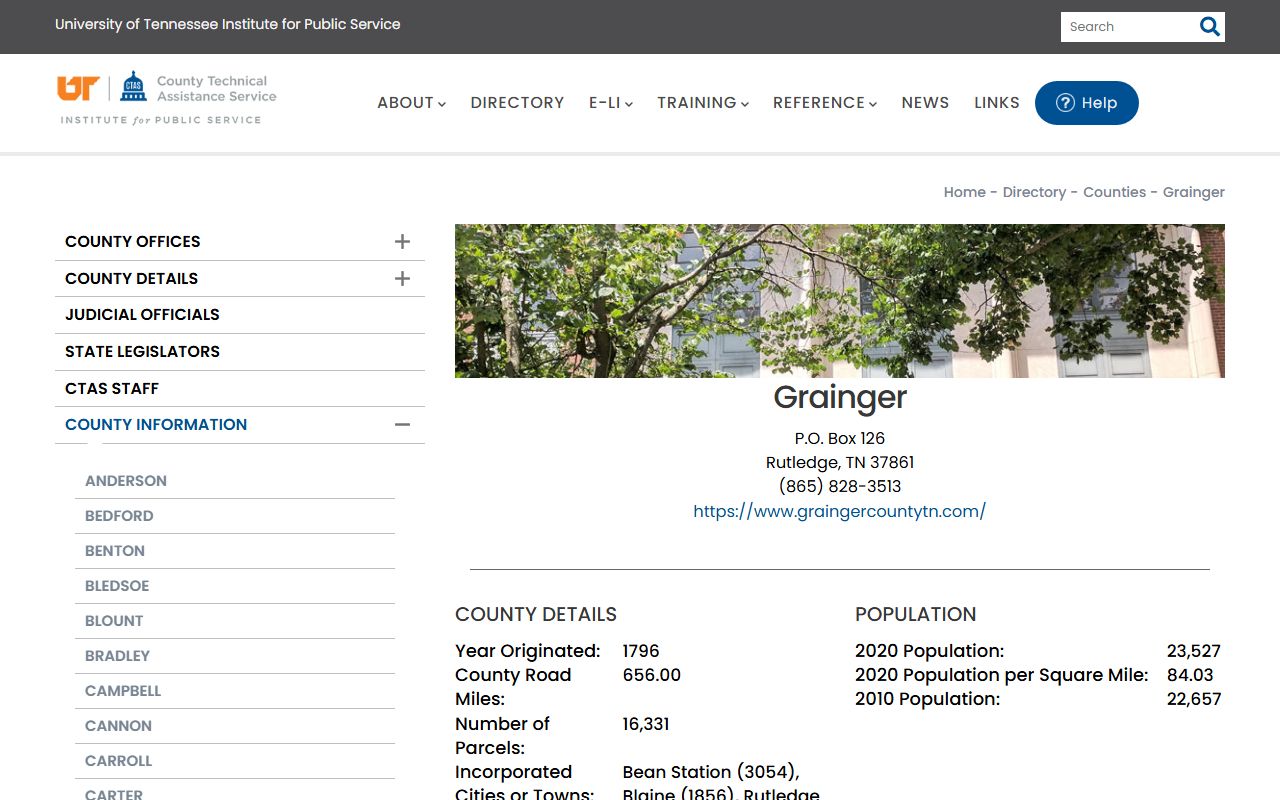
This local image is a quick reminder that Grainger County Property Records begin with office contact and county context, not with a random third-party search result.
For a parcel-by-parcel search, the assessor is the practical starting point. TPAD can help you move from an address to an owner name or parcel ID when the county record is posted in the statewide system.
Grainger County Property Records
Tennessee Comptroller property assessments cover 86 counties through IMPACT CAMA, and Grainger County sits inside that statewide system. That means the property assessments program and the TPAD portal are both worth checking when you want parcel facts, owner data, or a property record card. TPAD supports address, owner, and parcel searches, so it is a good fit for a first pass on Grainger County Property Records.
The state portal can show record card details when the county has posted them, including land and improvement data, ownership records, and other card fields. If a parcel has a sketch, photo, or class detail in the portal, that is often the fastest way to tell whether the card matches the property you meant to find.
The Comptroller property assessments page explains the statewide system behind Grainger County Property Records.

That state assessment page matters because it explains the broader Tennessee property system behind Grainger County Property Records, not just the local office contact list.
The assessor also handles value change notices. Tennessee rules say those notices must go out at least 10 calendar days before the local board of equalization begins its annual session, so the mailing date can matter later if the value changes.
Grainger County Recording Records
Grainger County Property Records also live in the register of deeds office. Research notes that the register maintains warranty deeds, trust deeds, releases, plats, powers of attorney, charters, and military discharges, while the assessor oversees ownership transfers. That split is useful because a deed book, an assessment card, and a tax record can each answer a different question about the same parcel.
Third-party guidance from tennesseecourtrecords says Grainger County property records can be requested in person, by mail, online, or by phone, and that a property address is required for search. I treat that as support only, but it matches the way most county recording systems work. For Grainger County Property Records, it helps to gather the owner name, parcel number, and address before you ask for copies.
The county register contact in the research makes that approach easy to use in practice. Ricky Diamond and the assessor both sit close to the core record trail, so one office can often point you to the next file you need.
The Comptroller public records requests page shows the state process for assessment files and related records.
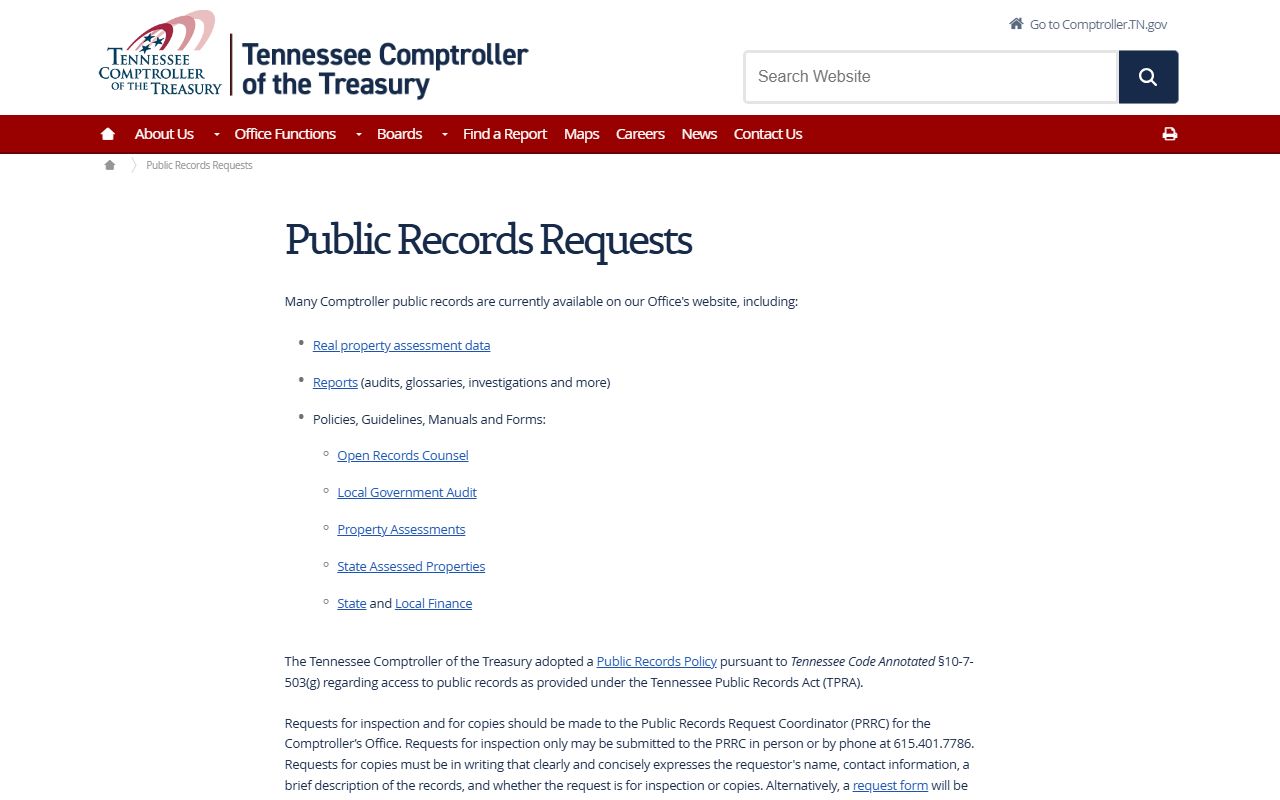
If you need state-held assessment material or manuals, the Comptroller's public records page shows the request path and the records coordinator for those files.
Grainger County Property Taxes
Grainger County Property Records are not complete without the tax side. NETR lists the trustee at 865-828-3514 and notes online mapping and GIS data, which gives you a support-only cross-check when you need a tax contact or parcel map clue. The trustee is the office that ties billing, collections, and local tax help together, so it is worth checking when a bill, receipt, or payment timing is part of the question.
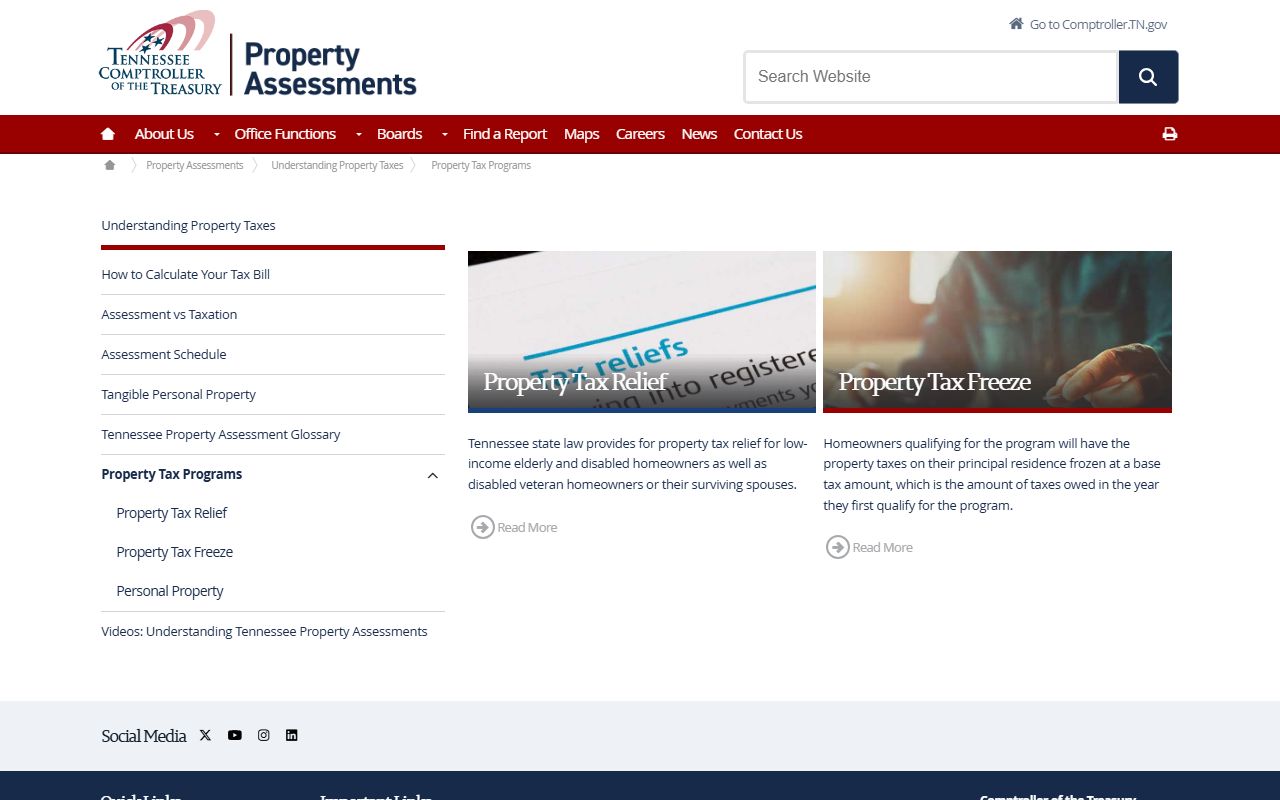
County tax work sits beside state tax programs. The Comptroller's property tax relief page covers relief for qualifying elderly homeowners, disabled homeowners, and certain disabled veterans or surviving spouses. The property tax programs page explains the tax freeze program that some seniors can use. Those programs affect the bill, not the parcel itself.
The Comptroller's tax freeze page shows the program local trustees administer.
For recorded transfers, the Department of Revenue says the real property transfer tax is $0.37 per $100 of consideration. That figure matters whenever a deed, a closing statement, and a county tax record need to line up.
When the tax side and the deed side disagree, the cleanest fix is usually to compare the bill, the recorded transfer, and the current assessment card before you call the office.
Grainger County Property Records Appeals
If Grainger County Property Records show a value that looks off, the appeal path starts with the county board and can move to the state board. The State Board of Equalization says a second-level appeal must be filed on or before August 1 of the tax year, or within 45 days from the date the local board action notice was sent, whichever is later. That deadline is easy to miss if you wait on a corrected card.
Good appeal files are plain and specific. Keep the parcel card, notice, photos, measurements, and sale data together so you can show exactly what changed and when it changed. If the problem is a land split, a building sketch, or a value jump, the record trail should tell the same story from one office to the next.
The State Board of Equalization page is the place to confirm the appeal timeline before you file anything else.

That state board page is the right place to confirm the appeal timeline before you file anything else.
Tennessee also requires assessors to send change notices at least 10 calendar days before the local board begins its annual session. In practice, that means the notice date can control the pace of your appeal and the records you should save.
Note: Keep every mailing, board notice, and parcel card together, because the notice date can decide which deadline applies.
Grainger County Property Records Access
Most Grainger County Property Records questions can be answered without a formal state request, but the Comptroller's public records requests coordinator handles state-held assessment material, manuals, and related files. The request page also lists Madeline King and the state email address for records access. If you are trying to understand a county process or meeting date, the CTAS county profile also shows the local legislative meeting schedule.
NETR and tennesseecourtrecords can help as support, but they should not replace the county offices or the state portal. NETR lists mapping, GIS, UCC search, business info, and property ownership records for Grainger County, while tennesseecourtrecords summarizes the register's record types and search methods. Use those guides to orient yourself, then confirm the facts with the assessor, register, or state records office.
Grainger County Property Records work best when you move in layers. Start with the parcel, confirm the recording trail, compare the tax side, and then check the appeal date if the value does not make sense.